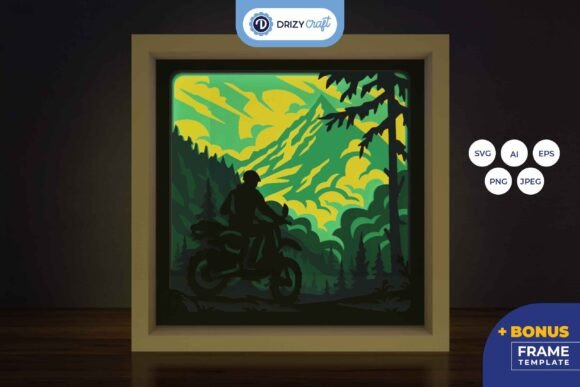
Motorcycle 3D Shadow Box - the Rider 3D SVG for Editorial Design
As an experienced blog designer and digital publisher, I always look for graphic design assets that elevate the visual storytelling of content without overwhelming it. The Motorcycle 3D Shadow Box - the Rider 3D is one such asset that caught my eye with its layered, square paper-cutting template style and clean integration into a variety of publishing platforms.
A Bold First Impression: Lifestyle Meets Modern Visuals
The first thing that stands out about this design is its editorial mood — it feels both adventurous and refined. The stylized motorcycle in a 3D shadow box format brings a sense of motion and lifestyle to the table. It’s not just another vehicle illustration; it’s a symbol of freedom, travel, or even niche hobbies like motorcycling culture. This kind of imagery naturally supports content niches like travel blogs, fitness websites, outdoor adventure guides, or even automotive lifestyle brands.
From a visual communication standpoint, the Rider 3D strikes a balance between playful and professional. It doesn’t lean too heavily into whimsy, nor does it feel overly corporate. Instead, it offers a modern aesthetic that aligns well with lifestyle-focused content marketing. Its bold shape and crisp lines make it easy to integrate into layouts while maintaining a clear visual hierarchy.
Real-World Applications for Content Creators
This 3D SVG Shadow Box has multiple use cases in the real publishing workflow. Here are some practical ways I’ve seen similar assets enhance digital content:
- Blog Featured Images: The Rider 3D can be used as a focal point in blog headers, especially for posts related to travel, fitness, or lifestyle. Its 3D depth adds interest without being distracting.
- Pinterest Graphics: Given Pinterest's love for vertical visuals, placing the Rider 3D within a square format makes it versatile for repurposing across platforms. Its detailed layers help it stand out in the crowded feed.
- Newsletter Headers: Whether you're running a weekly digest or a themed newsletter, the Rider 3D provides a strong visual identity that readers will remember.
- Digital Guides & Worksheets: For downloadable resources on topics like motorcycle safety, gear reviews, or riding tips, this asset enhances brand recognition and perceived value.
- Category Thumbnails: If your website includes categories like “Adventure Travel” or “Lifestyle Gear,” the Rider 3D can serve as a signature icon to reinforce those sections visually.
- Social Media Previews: Use it in Instagram Stories, Facebook covers, or Twitter banners to create a cohesive look across your online presence.
- Canva Templates: This design works particularly well when embedded into Canva templates for quick and stylish graphics creation.
Boosting Click-Through and Reader Trust
In the world of content publishing, first impressions matter. A well-designed header image or social media post can significantly increase click-through rates. The Rider 3D contributes to this by offering a polished, high-quality visual that signals professionalism and attention to detail.
Its structured yet artistic layout helps guide the viewer’s eye toward key elements like headlines or call-to-action buttons. When placed correctly in a layout, it creates a stronger visual hierarchy, making it easier for readers to absorb information quickly. This is especially valuable in fast-scroll environments like news feeds or search results pages.
Moreover, using consistent design assets like the Rider 3D across your blog or website builds brand identity. Readers start to associate the look with your content, which fosters trust and familiarity — two critical components of long-term audience engagement and loyalty.
Where This Asset Shines Brightest
The Rider 3D excels in several publishing scenarios where visual impact and thematic relevance are key:
- Hero Sections: On landing pages or article homepages, the Rider 3D can act as a striking hero image element.
- Article Thumbnails: As a thumbnail for featured articles, it maintains visibility and interest due to its unique shape and dimensionality.
- Editorial Accents: Used subtly in sidebars, infographics, or section dividers, it adds a creative touch without disrupting the flow of text-heavy content.
- Content Upgrades: Pair it with lead magnets like PDF guides or printable checklists to give them a more premium feel.
- Downloadable Resources: When used in eBook covers or digital product thumbnails, it elevates the presentation and increases perceived value.
Cautions and Best Practices
While the Rider 3D is a powerful visual tool, there are situations where it may not be the best fit. For instance:
- Small Mobile Thumbnails: The intricate details might get lost at smaller sizes, so consider simplifying the design or using a cropped version for mobile optimization.
- Text-Heavy Blog Posts: If your post relies heavily on text-based content, avoid overloading the design with this asset. Let it complement, not compete.
- Low-Contrast Backgrounds: Ensure the Rider 3D is clearly visible against your chosen background color. Test it in grayscale to confirm legibility.
- BUSY Layouts: In complex page designs with multiple images or icons, use the Rider 3D sparingly to maintain clarity and focus.
- Corporate or Minimalist Brands: While the Rider 3D is professional in many contexts, it may not align with ultra-minimal or serious business aesthetics. Evaluate whether it fits your brand voice before full integration.
Design Notes for Web Publishers
Before implementing the Rider 3D in your next project, here are some actionable tips from a seasoned designer:
- Test Across Devices: Always preview how the Rider 3D looks on desktop and mobile screens. Sometimes a bold 3D effect can become distorted on smaller displays.
- Thumbnail Preview Check: Upload it as a thumbnail in your CMS or content management system to see how it renders in context with other images.
- Font Pairing Experimentation: Try pairing the Rider 3D with different font styles — serif for a classic vibe, sans-serif for clean readability, script or handwritten fonts for a personal touch, and display fonts for bold statements.
- Contrast and Readability: Overlay your headline text to ensure it remains legible. You may need to adjust transparency or add a subtle background layer.
- Black-and-White Testing: Many platforms render images in grayscale. Make sure the Rider 3D still holds visual weight and clarity under these conditions.
- File Size Optimization: As an SVG, the Rider 3D is generally lightweight, but if you’re exporting it as a PNG or JPEG for use in certain CMSs, compress the image properly to maintain web performance.
- Commercial Licensing: Before using this asset on monetized websites, affiliate marketing pages, or paid digital products, confirm you have the appropriate commercial license. This ensures legal compliance and protects your digital brand investments.
Final Thoughts for Creative Entrepreneurs
For bloggers, designers, and content marketers seeking to build a more engaging and recognizable brand, the Motorcycle 3D Shadow Box - the Rider 3D is a compelling addition to any design toolkit. Its layered structure and bold silhouette offer flexibility across platforms while reinforcing a modern, adventurous visual identity.
Whether you're creating social media graphics, editorial layouts, or downloadable printables, this 3D SVG asset can help you achieve a more polished and clickable presentation. Just remember to adapt it to your specific needs, test it thoroughly, and always verify licensing terms for commercial use.
When used thoughtfully, the Rider 3D can do more than just look good — it can tell a story, set the tone, and ultimately drive better engagement with your audience.